
Veja também


 04.03.2026 12:30 PM
Today, only the euro was effectively traded using the Mean Reversion strategy. Through the Momentum strategy, I traded the Japanese yen, which continued to recover its positions against the dollar.
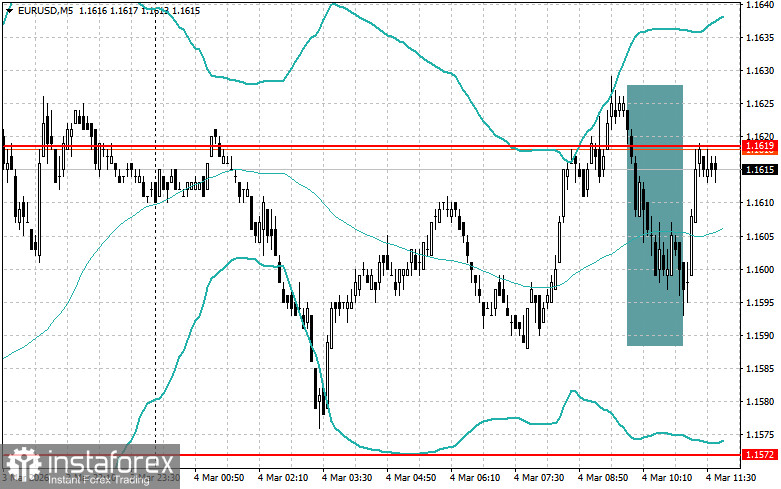
After two days of the sharpest decline in the euro and the pound, strong data on activity in the services sector of the eurozone and the United Kingdom restored demand for risk assets. However, how long this demand will last remains an open question. A reminder that a reading above 50 points indicates expansion in business activity, while values below 50 signal contraction. In February, the eurozone index came in at 51.9 points, while the UK index reached 53.9 points. This positive result was a pleasant surprise for market participants and allowed the euro and the pound to stage a rebound.
Important statistical data are ahead, which could significantly affect the further dynamics of the EUR/USD pair. First and foremost, investors are focused on the February ADP private-sector employment change in the United States. This indicator is one of the leading gauges of the U.S. labor market and often anticipates the release of the broader unemployment report. Employment growth above expectations could strengthen expectations of a continued pause in the Federal Reserve's monetary easing cycle, which would support the dollar.
At the same time, data on the ISM Services PMI will be published. The services sector is the largest in the U.S. economy, and its condition directly reflects consumer activity and the overall pace of economic growth. Positive data indicating expansion in this sector could also support the U.S. dollar.
In the case of strong statistics, I will rely on the Momentum strategy. If there is no significant market reaction to the data, I will continue using the Mean Reversion strategy.
Momentum Strategy (Breakout) for the Second Half of the Day
For EUR/USD
For GBP/USD
For USD/JPY
Mean Reversion Strategy (Return to Level) for the Second Half of the Day
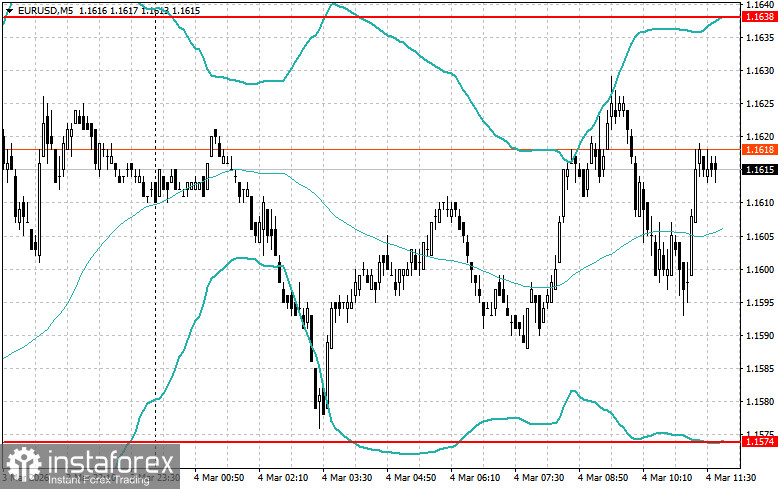
For EUR/USD
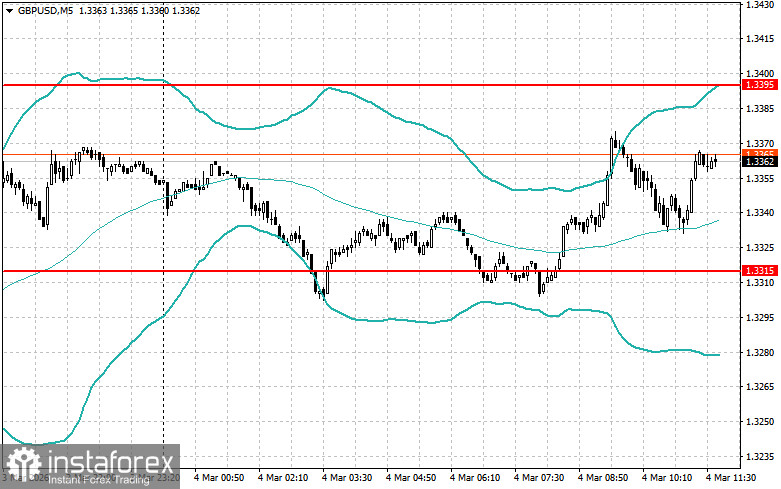
For GBP/USD
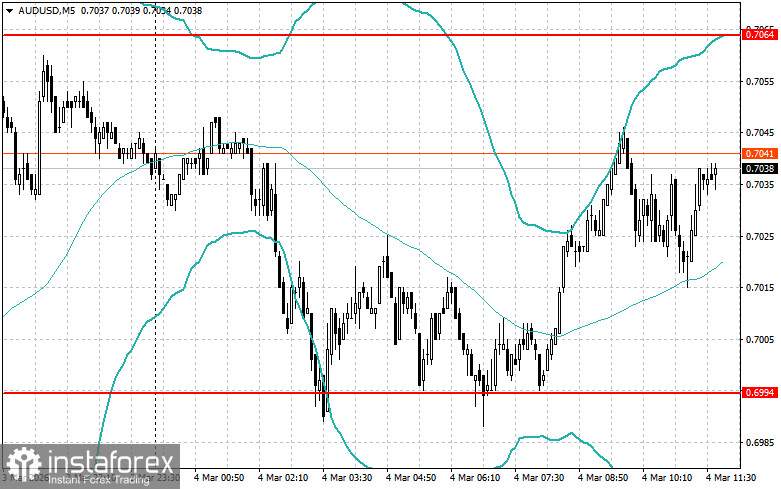
For AUD/USD
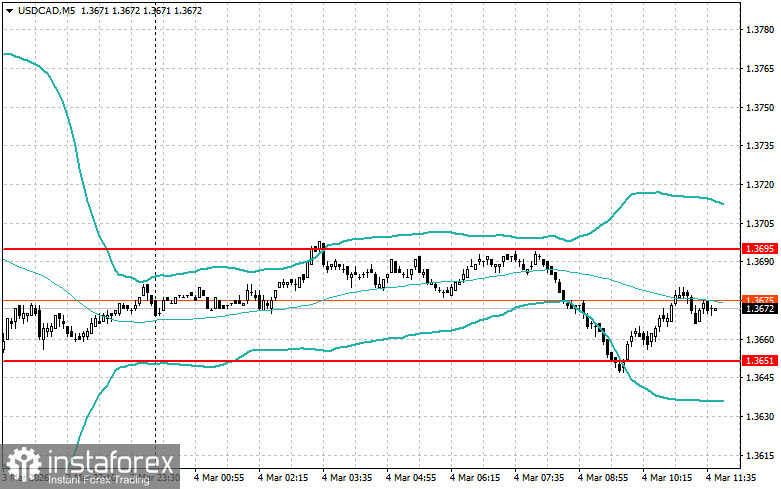
For USD/CAD


