
یہ بھی دیکھیں


 28.05.2026 12:21 PM
Gold (XAU/USD) continues to face pronounced selling pressure ahead of the European session opening and is currently holding slightly above the two-month low recorded earlier on Thursday. At the same time, the metal remains vulnerable to further intraday declines below the psychological $4,400 level, which coincides with the technically significant 200-day simple moving average (SMA). An additional factor comes from the renewed escalation of tensions in the Middle East, which strengthens the US dollar's position as a safe-haven asset.
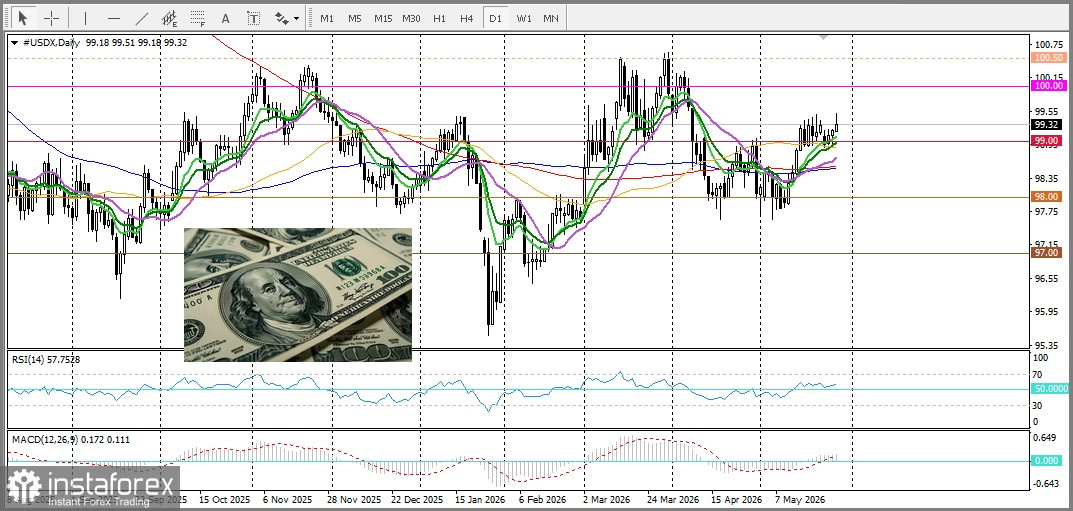
At the same time, expectations of tighter monetary policy from major global central banks continue to increase in response to persistent inflationary pressure, creating a negative backdrop for gold.
According to Reuters, a US official stated that American armed forces carried out additional strikes on Iranian territory on Wednesday, targeting a facility considered a threat to US military personnel and commercial shipping in the Strait of Hormuz. It was also reported that US forces intercepted and destroyed several Iranian drones posing a similar threat. In addition, US President Donald Trump expressed dissatisfaction with the current terms of negotiations with Iran and emphasized that there was no urgency to finalize an agreement, reducing the likelihood of a near-term diplomatic resolution to the ongoing conflict.
Alongside these developments, ongoing disagreements between the United States and Iran regarding the nuclear program and control over the Strait of Hormuz continue to support the geopolitical risk premium, which in turn strengthens the US dollar and puts additional pressure on gold.
Meanwhile, recent developments have contributed to a moderate recovery in oil prices following their decline to a more than three-week low.
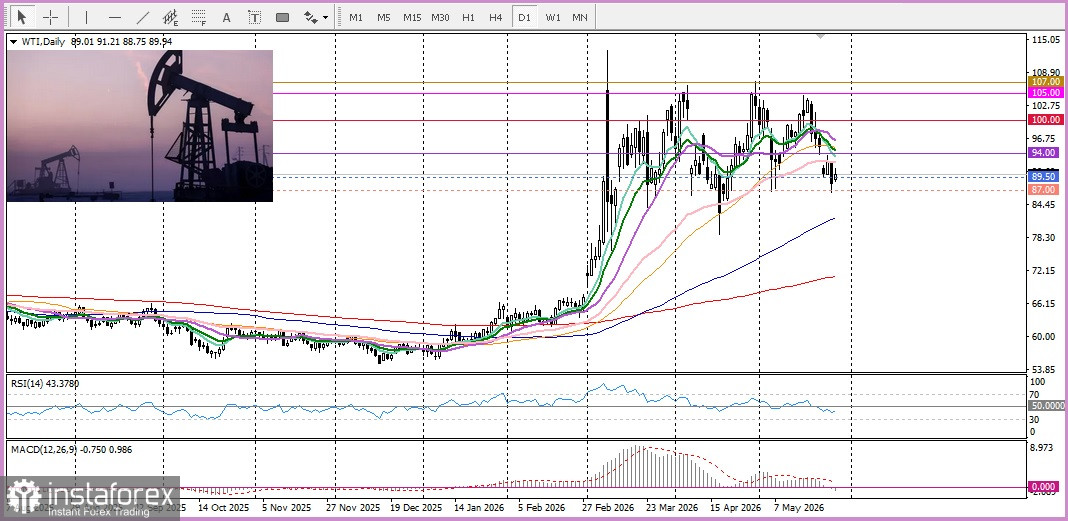
This has intensified concerns about inflation driven by rising energy prices and supported expectations of further interest rate hikes. According to CME Group's FedWatch Tool, market participants currently estimate the probability of a 25-basis-point rate hike by the Federal Reserve by the end of this year at approximately 50%, while the probability of a similar move in January 2027 stands near 60%. These expectations are further reinforced by hawkish comments from several FOMC representatives, which have led to another increase in US Treasury yields. This factor also supports the US dollar and increases pressure on gold as a non-yielding asset.
Market participants remain focused on the upcoming releases of key US macroeconomic indicators, including the preliminary first-quarter GDP estimate and the Personal Consumption Expenditures (PCE) Price Index. The latter is regarded by the Federal Reserve as its preferred inflation indicator and plays an important role in shaping expectations regarding the future interest rate path. Accordingly, the release of these data may strengthen demand for the US dollar during the North American trading session.
At the same time, further developments in the geopolitical situation will continue to influence global financial markets and maintain elevated volatility, affecting gold prices.
From a technical perspective, the XAU/USD pair maintains a short-term bearish bias while trading below the 200-day moving average. The Relative Strength Index (RSI) remains near the 35 level, signaling weak demand. At the same time, the MACD indicator also remains in negative territory, indicating the dominance of downward momentum.
The price is preparing to test support near the $4,350 level, once again confirming the break below the important 200-day moving average. A confident consolidation below this level would open the way for deeper losses.
On the other hand, recovery attempts are likely to face resistance near the $4,450 level. A breakout above this level would allow the price to reach the 20-day SMA around $4,580, followed by the 50-day SMA near $4,650, which serves as a stronger supply zone.


