
یہ بھی دیکھیں


 26.05.2026 11:28 AM
On Tuesday, at the start of the European session, gold (XAU/USD) continued to show weakness and remained under pressure, holding below the horizontal resistance level near $4,580, where the 14-day EMA is located. Overall positive sentiment remains limited by mixed signals surrounding a potential peace agreement between the US and Iran, which ultimately supports the U.S. dollar as a safe-haven asset.
According to media reports citing U.S. Central Command, American forces carried out self-defense strikes in southern Iran on Monday. The targets reportedly included missile launchers and Iranian boats allegedly involved in laying naval mines. These developments come amid deepening disagreements over Iran's nuclear program and rising tensions around the Strait of Hormuz, reducing the likelihood of a near-term agreement and an end to the conflict, which has already lasted nearly three months.
The situation is further aggravated by statements from U.S. President Donald Trump, who has repeatedly suggested the possibility of expanding military operations if no progress is made in negotiations. Taken together, these factors are sustaining elevated geopolitical risks and supporting the dollar's recovery after its decline to a weekly low on Monday, putting additional pressure on gold prices.
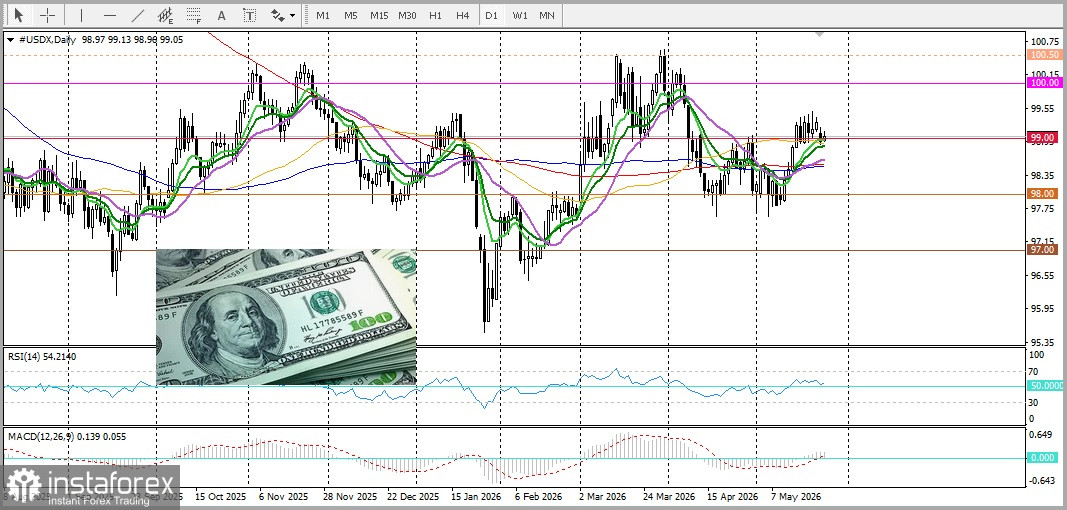
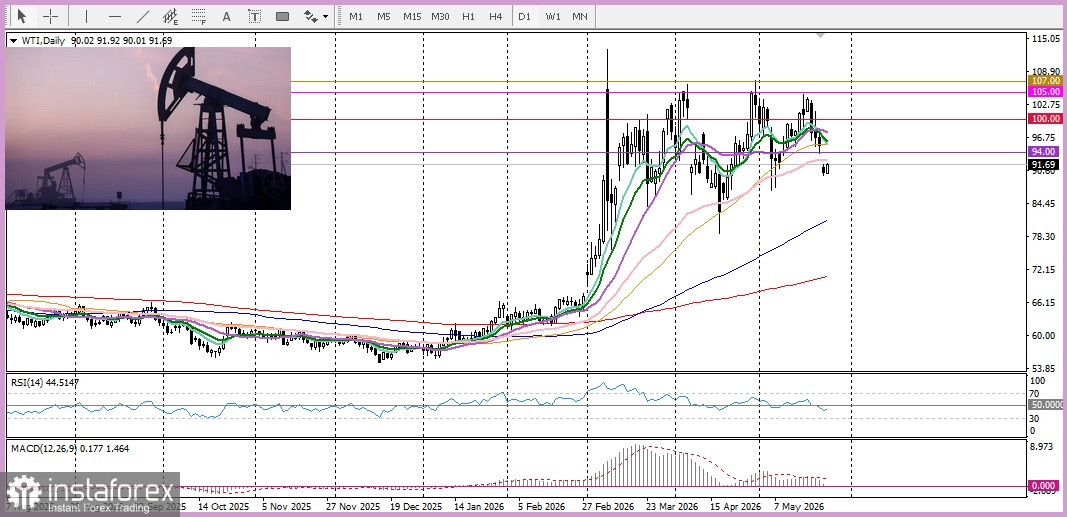
Meanwhile, since the beginning of the conflict, Iran has effectively restricted shipping through the Persian Gulf, affecting around 20% of global oil supplies. The tightening U.S. blockade of Iranian ports, combined with ongoing geopolitical tensions, has contributed to a rebound in oil prices from two-week lows. This has once again intensified concerns that rising energy costs could accelerate inflation and force major central banks, including the Federal Reserve, to maintain a more hawkish monetary policy stance. According to the CME Group's FedWatch tool, market participants are already pricing in the possibility of at least one U.S. interest rate hike in 2026. This increases the attractiveness of the dollar and reduces investor interest in gold.
Market attention is now shifting toward the release of key U.S. macroeconomic indicators — the Personal Consumption Expenditures (PCE) Price Index and the second estimate of GDP, both scheduled for Thursday. These data releases could become the main drivers of dollar dynamics and determine the direction of movement for the XAU/USD pair. In addition, investors should closely monitor developments in the Middle East, as any changes could increase volatility across global financial markets. In the short term, attention should also be paid to the Conference Board Consumer Confidence Index, due for release on Tuesday, which may create short-term trading opportunities.
Overall, the fundamental backdrop points to a continuation of the bearish bias in gold prices.
From a technical perspective, the metal encountered resistance around $4,580 on Monday and continues to trade below the 20-day SMA and below the 14-day exponential moving average (EMA), reflecting a moderately bearish short-term outlook. The $4,580 level remains the first significant resistance level, followed by the 20-day SMA near the psychological $4,600 level. At the same time, the nearest support zone is located around $4,520–$4,500. The next demand zone lies near $4,450 and the 200-day SMA. Oscillators remain in negative territory, indicating that bears currently maintain the upper hand in the market.


