
यह भी देखें


 11.08.2026 12:09 AM
Nothing lasts forever under the moon. Not long ago, the dollar seemed invincible: the market was confident that the Federal Reserve would soon raise rates, and other currencies had to watch its hegemony from a distance. But Friday's US labor market data threw all the cards into disarray, and unexpectedly the euro took center stage—previously quiet and seemingly resigned to its role as the eternal follower.
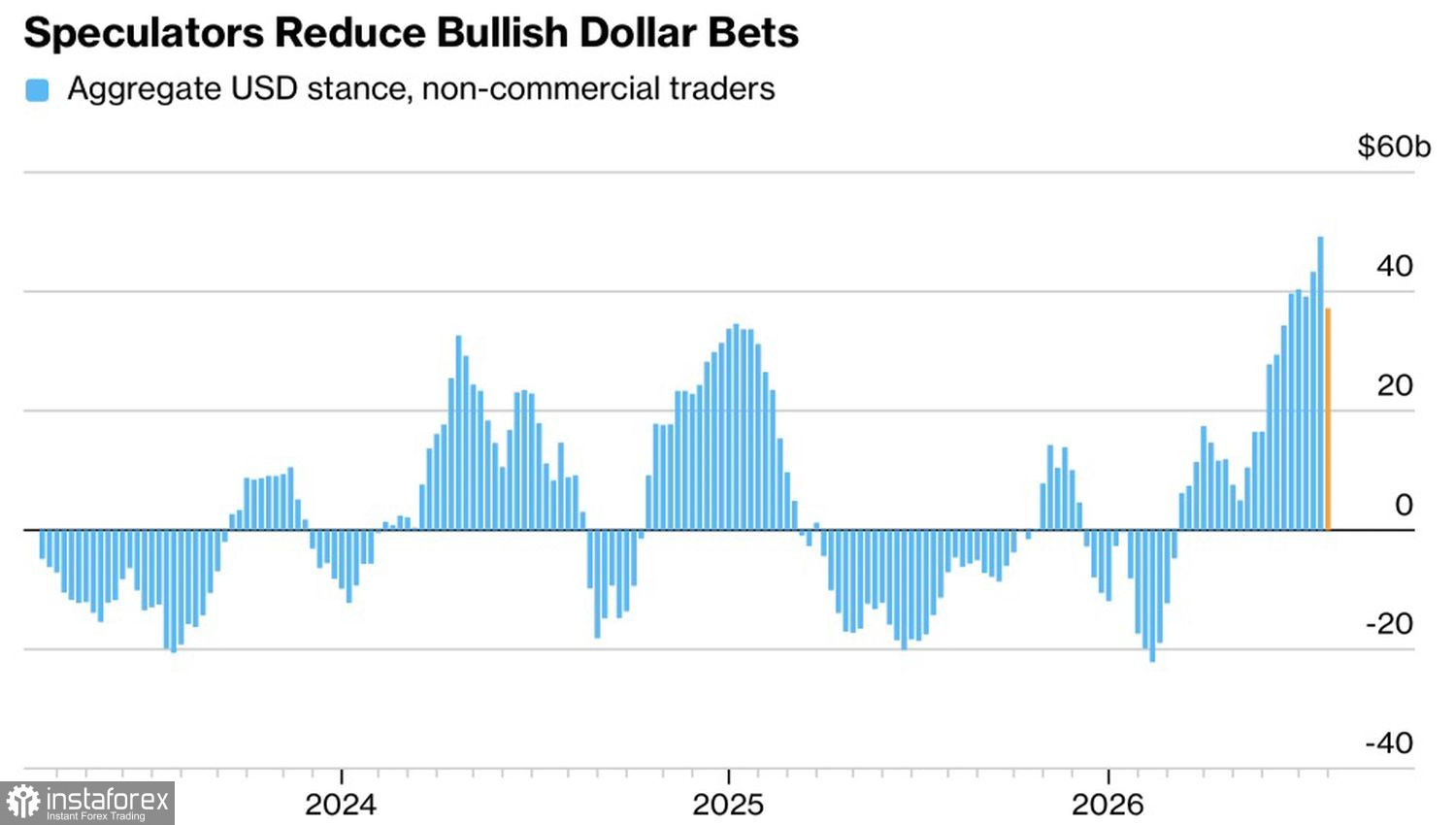
The Bloomberg spot dollar index lost 0.4% and ended the week at its lowest since May. The reason is simple: the number of new jobs in the US unexpectedly decreased by 23,000, and the figures for May and June were revised significantly lower. The unemployment rate fell to 4.1%, but labor force participation continues to decline—the picture is more one of economic cooling than overheating. Traders, according to CFTC data, cut their "bullish" positions on the dollar by nearly a quarter, to $37 billion, and, according to swaps, the probability of a September rate hike dropped from 60% to 40% in just one week.
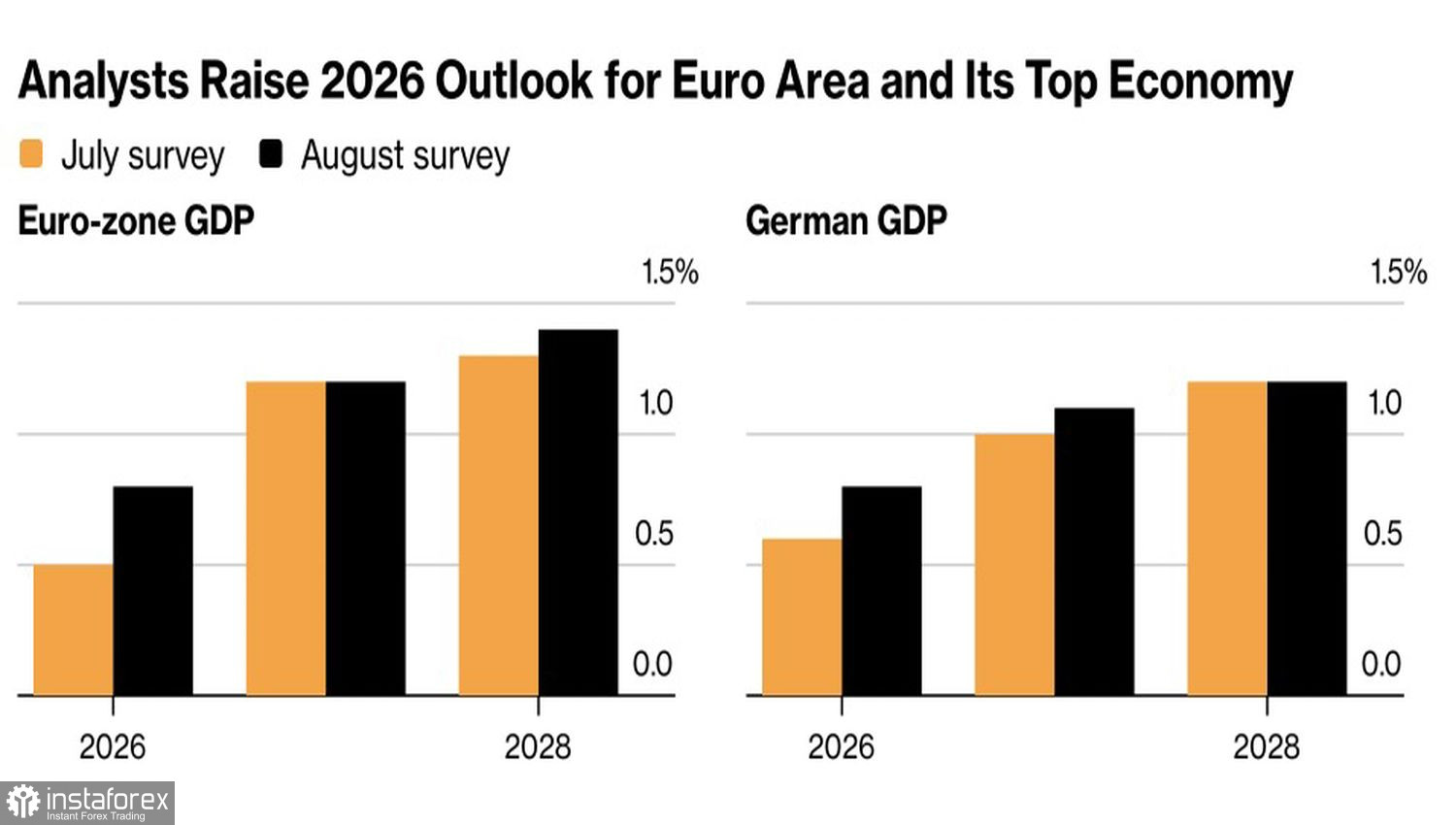
However, it would be naive to consider this exclusively the euro's achievement. In fact, the single currency simply found itself in the right place at the right time—where the dollar weakens on its own, without any help from it. Meanwhile, the eurozone economy demonstrates surprising resilience: according to a Bloomberg analyst survey, growth across the bloc's 21 countries in 2026 is now estimated at 0.8%, up from the July forecast of 0.5%. GDP in the second quarter grew by 0.4%—twice as strong as expected—despite the military turbulence surrounding Iran, which would seemingly have pressured the bloc's business activity.
Nevertheless, it is too early to talk about a full reversal. Fed Chair Kevin Warsh is demonstrably avoiding hints to the market, and each new statistical figure becomes a separate event for traders: another employment report and two inflation reports will be released before the September meeting. In fact, it is these reports, rather than the current weakness of the dollar, that will determine whether the euro remains on top or again yields its customary positions to the much stronger overseas rival.
The interest rate differential currently does not favor the single currency, and the geopolitical risk premium surrounding the Strait of Hormuz has not gone anywhere. Meanwhile, the US president prefers economic pressure to military strikes, hoping that Tehran will simply run out of spare cash—a rhetoric that the market appears to trust less and less.
Will the euro hold onto its hard-won positions until September, or is this merely a temporary respite before a new round of dollar hegemony? I doubt the answer will be found before the Fed finally has its say.
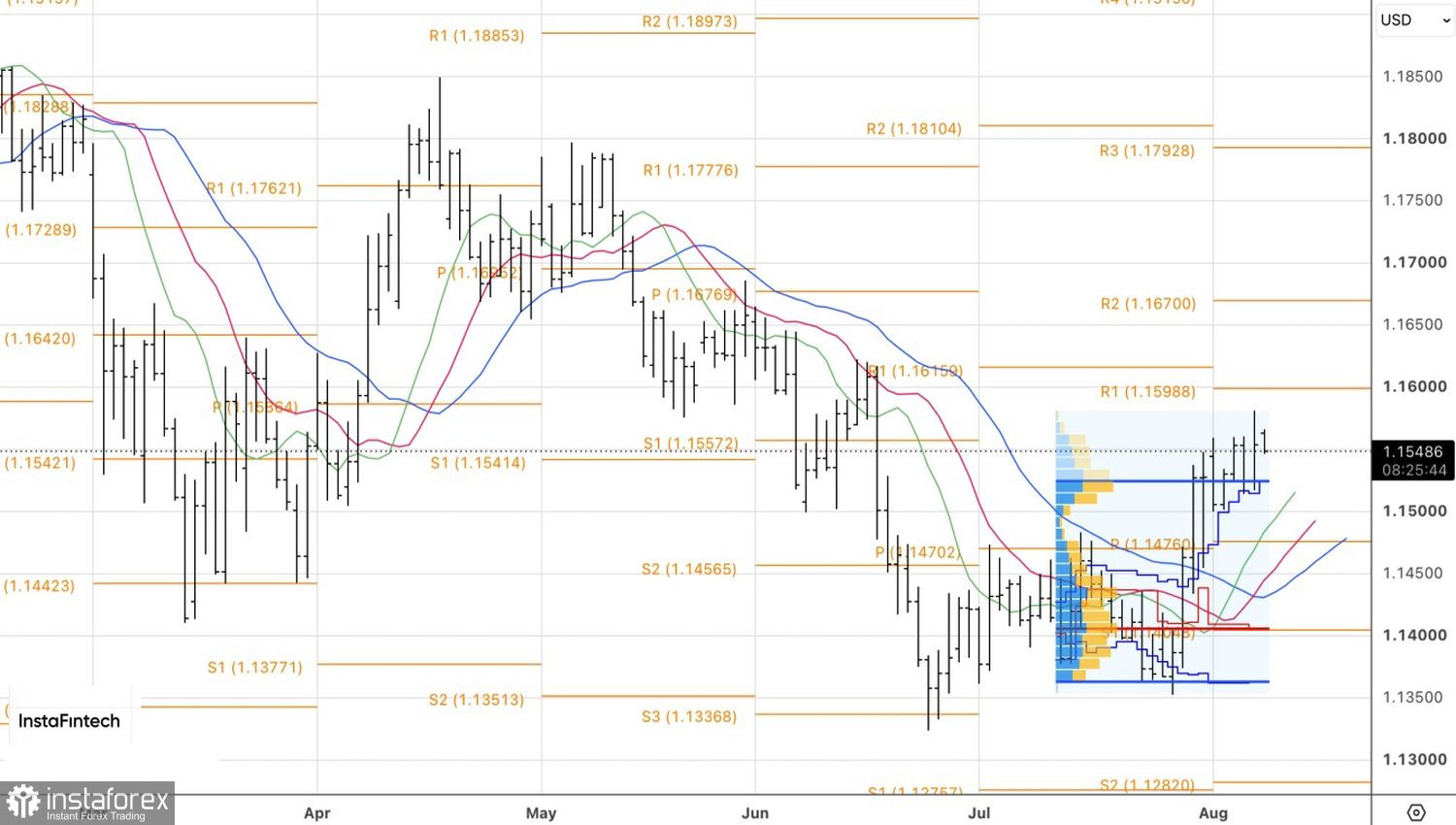
Technically, on the daily chart of EUR/USD, the pair is currently trading above the upper boundary of the fair value range of 1.136-1.1525, and the sentiment remains bullish. It makes sense to maintain an emphasis on long positions.

