See also


 17.12.2025 08:25 AM
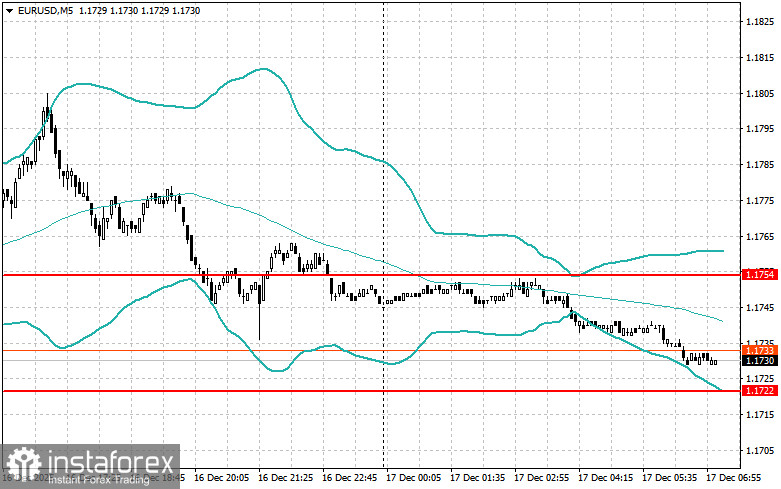
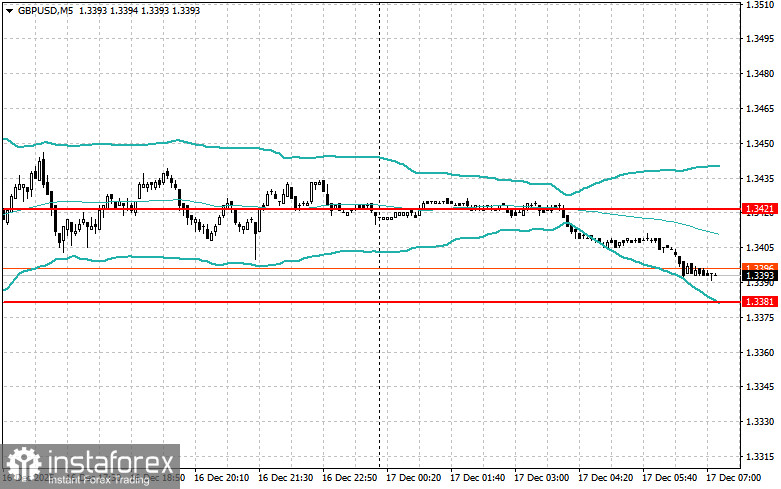
The euro and the British pound, along with several other assets, rose significantly against the US dollar yesterday for objective reasons.
Data showed that the US unemployment rate rose to 4.6%. The subpar job growth exerted further pressure on the dollar. Traders interpreted this news as a signal that the Federal Reserve will continue to lower interest rates next year. This, in turn, decreased the dollar's attractiveness compared to other currencies. The deterioration in labor market indicators may also prompt the Fed to reconsider its bond-buying strategy, increasing its volume.
This morning, a significant amount of important reports from the Eurozone is anticipated. Reports will begin with the services sector business activity index, the manufacturing PMI, and the composite PMI index, concluding with the publication of the ZEW economic sentiment index for the Eurozone and Germany. Investors and experts will closely analyze these figures, as they can provide crucial insights into the current state of the region's economy and its near-term prospects. Unexpected changes in the figures can cause fluctuations in financial markets and affect the value of the euro. Specifically, the PMI for the manufacturing sector is a critical leading indicator of business activity: a reading above 50 indicates expansion, and below indicates contraction. Meanwhile, the ZEW Economic Sentiment Index reflects analysts' and investors' expectations regarding future economic conditions and serves as an indicator of market participants' optimism or pessimism. A noticeable improvement in this index could indicate a rise in confidence, supporting the euro towards new highs.
Regarding the pound, in addition to similar PMI data, attention will shift to the figures for the UK unemployment rate and changes in average earnings. Traders will be highly attentive to these reports, as they could significantly influence forecasts of the Bank of England's future monetary policy. Strong employment data and rising wages could prompt the central bank to take more aggressive action, thereby strengthening the British pound. Conversely, weak labor market data could raise concerns about the UK's economic growth prospects, potentially weakening the pound's position.
If the data aligns with economists' expectations, it is advisable to act based on the Mean Reversion strategy. If the data comes in significantly above or below economists' forecasts, the Momentum strategy would be most effective.